It’s normal to think that blisters, cuts or sores heal themselves. With a time and effort your body can heal itself. If a wound doesn’t heal in the period of four to six weeks or begins to appear worse with redder skin, inflamed or emitting an unpleasant smell, it’s an indication that something is wrong. Sometimes, a sore that is small may turn into an unhealing wound on the leg or foot, and if it’s not treated it could lead to grave complications, and even an amputation in the extreme.
So if you’ve been waiting for a sore to heal that doesn’t heal, it may be time to put down the wait and seek out help.
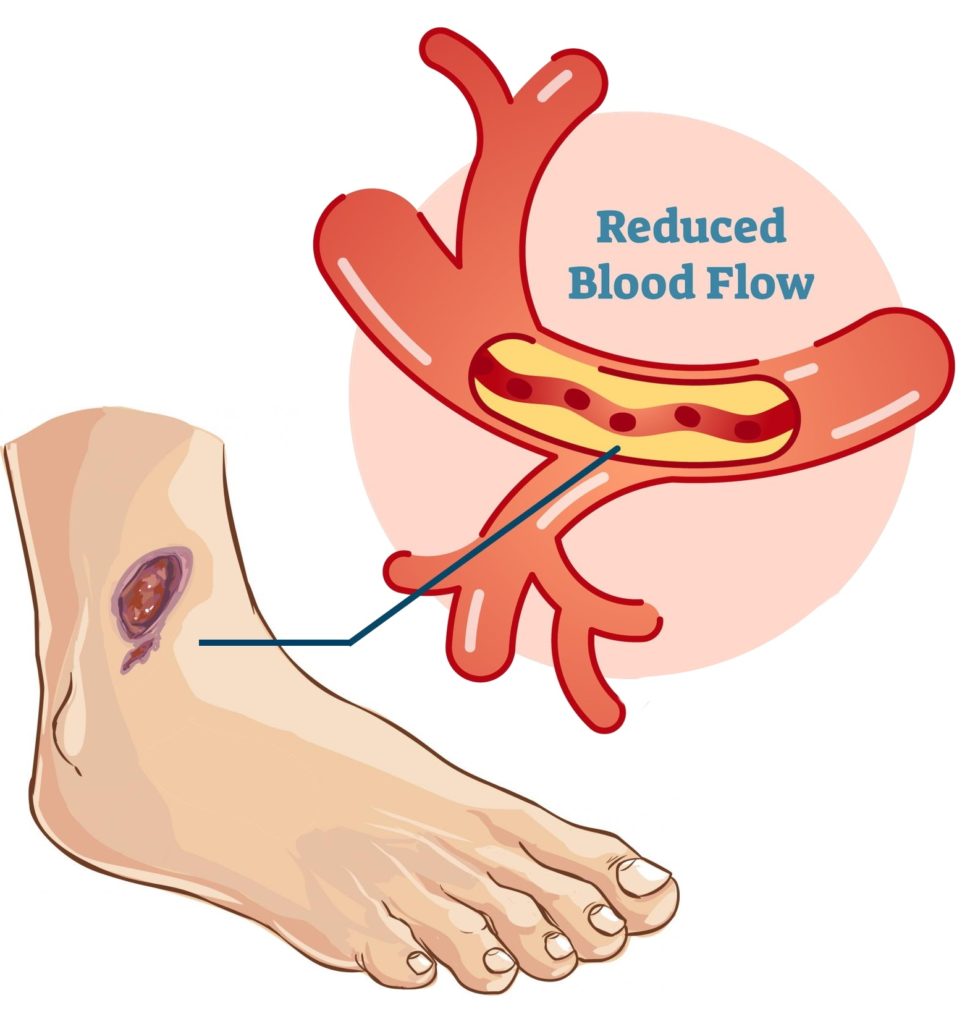
What causes some wounds to refuse to heal
There are a variety of reasons for why a wound doesn’t heal, and understanding them can aid you (and your doctor) determine the best method to treat it.
You’re at an increased risk of having leg and foot injuries that don’t heal effectively if you suffer from diabetes. A high blood sugar level can cause nerve damage and alter the way it heals difficult to feel the injuries. They can also decrease the flow of blood.
Poor circulation is another main cause, which can be related to arterial and venous ulcers. If your veins and arterial arteries aren’t performing their job, you will not get enough oxygen and nutrients to help heal your skin.
If you are unable to move about, there is a chance that you’ll develop pressure ulcers.
Other factors such as the aging process or certain medications (like blood thinners) and autoimmune disorders, and even poor nutrition may hinder healing. It’s possible that a combination could make a wound persist.
How long does healing normally take What happens if healing doesn’t occur?
It’s natural to wonder how long healing “should” take. In reality, it depends on the type of injury as well as your overall health. A small cut or a blister could heal within one or two weeks. If you’ve got an wound that isn’t healing or a leg wound that won’t heal it could last for 12 weeks.
It is important not to wait if there is no improvement in 4 to 6 week. It’s the time to see an expert in wound care. The longer a wound is left open, the higher the chance of infection.
You Deserve Better Finding the right help
If your sore won’t heal, it’s not just “bad luck” or something to ignore the body’s signals are telling you that it needs help. The positive side? There are specialists and treatments that can make a real difference. At our clinic, we specialize in treating non-healing foot ulcers and leg wounds, non healing foot ulcer working alongside your other healthcare providers to create a personalized plan that gives your body the best chance to heal and helps prevent amputations.
It doesn’t matter if it’s the latest wound dressings, the ability to restore blood flow or even the use of hyperbaric oxygen as a special therapy, there are solutions out there. And we’ll work with you each step of the way since no one should have to deal with a wound that won’t heal by itself.
Final Thoughts
A wound that does not heal impacts the person in many ways, not just one. It can alter your life. There is some hope. Do not hesitate to seek help if you are exhausted of having to deal with an ulcer on your leg that does not heal or is causing a constant sore or a wound that’s not healing. The earlier you ask for help, more quickly your painful wound will heal and you can be back to the life you’ve earned.