The infrastructure for water and wastewater has advanced over gravity-based systems. Engineered pumping solutions are essential to keep water flowing efficiently and safely as communities expand and the land is difficult to develop. A properly designed pump station supports everything from wastewater collection and stormwater control to potable water distribution and industrial operations.
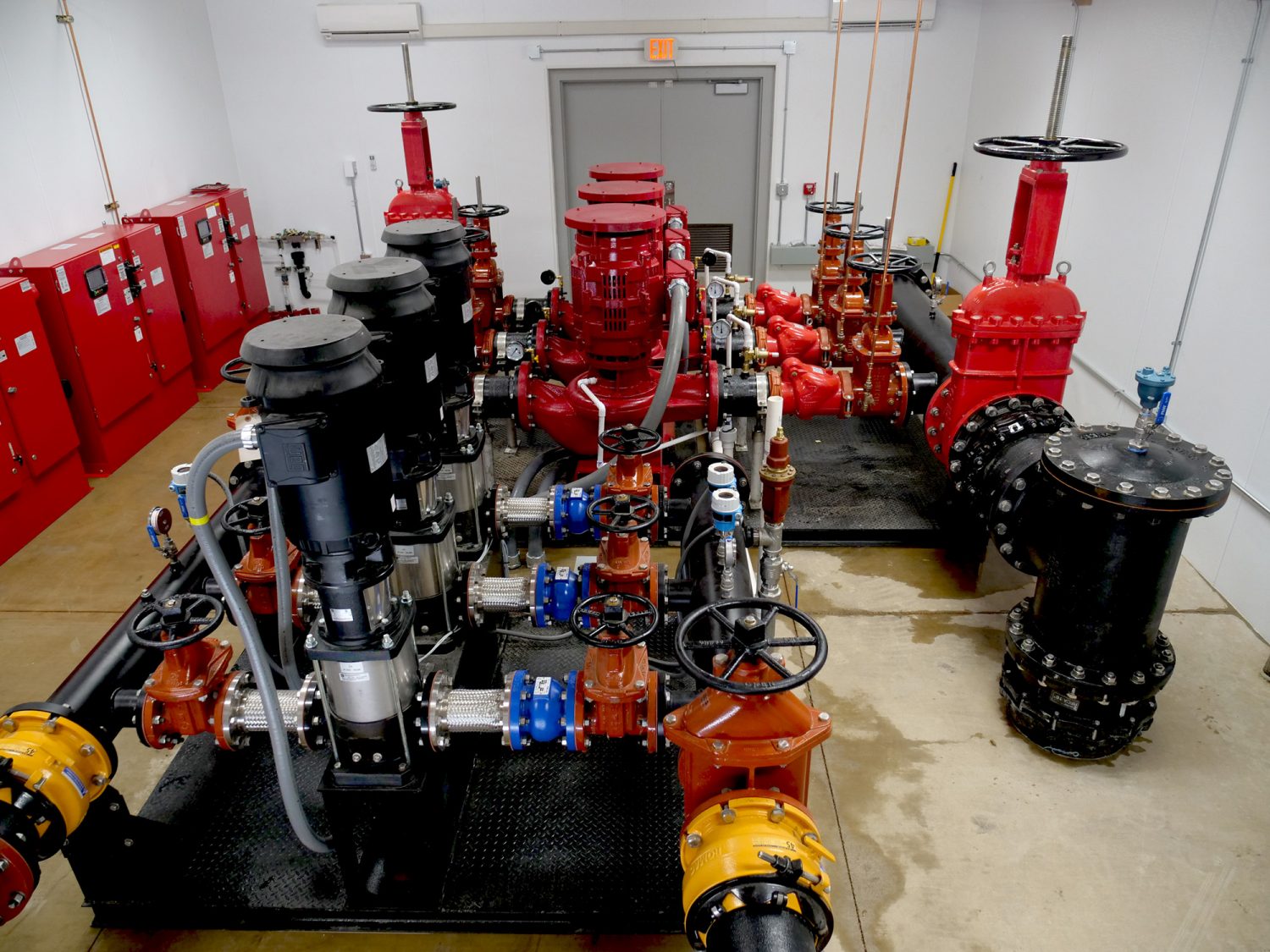
Each pumping system is different with regards to elevation, to flow requirements, water quality, and even ownership requirements. These elements should be taken into consideration prior to the beginning of the design phase to avoid operational problems in the long-term and to ensure that the system continues to perform in the way it was designed for a long time.
Why a System for Pumping Packages must be a project-specific system
A packaged pumping system is designed as an integrated and complete system instead of a set of components that are available off the shelf. How a system is created depends on many variables, including the location’s conditions, environmental laws and operational requirements. Different pump configurations and control strategies are necessary in commercial projects, municipal infrastructure, and industrial facilities.
Engineers are able to make more informed judgments through evaluating flow rates in advance as well as duty-points and estimated life-cycle costs. This reduces the number of revisions. It prevents unexpected costs while construction is in progress and ensures everyone is on the same page right from the start.
Modern Development: Wastewater Lifting Stations
To accommodate the growing urban area sewer infrastructure needs be modified to fit new terrains and expanded service areas. A wastewater lift station allows sewage to be transported from lower elevations to higher points of collection and ensures reliable transportation to treatment facilities. These systems are essential in places where gravity flow alone is not enough to satisfy the demand.
Wastewater lift stations have to consider the possibility of fluctuating flows, solids handling, corrosion resistance, and regulatory compliance. Municipal systems tend to prioritize longevity and ease of maintenance, while industrial or private systems might focus on the capacity and flexibility. Custom-designed engineering makes sure that control systems, pumps, and structures are selected according to the particular operating conditions.
Stormwater Lift Stations & Environmental Protection
As development intensifies and the weather patterns get more unpredictable managing stormwater efficiently is becoming increasingly important. A well-designed lift station to manage stormwater can help manage runoff and detention ponds, which decrease flooding. These systems aid in protecting the environment by directing stormwater to be treated prior to being released into natural waterways.
Stormwater pumping equipment must be capable of performing consistently in a range of conditions, ranging from moderate rains to storms that are heavy. Engineers consider peak flows, seasonal variations, and the long-term sustainability of these stations. Flexible materials and pumping technologies allow systems to be able to change according to demand.
Industrial and clean Water Pumping Applications
Pump stations do not have to be restricted to use by municipal authorities. Industries rely on pumping systems for handling high-temperature fluids, high-pressure processes, chemicals, and oily water. aggressive waste streams. To design for environments like these require specialized understanding and a careful selection of materials.
Residential, commercial and municipal distribution of water is supplied by systems that provide clean water, including booster stations. It is vital to ensure that the flow and pressure remain constant to ensure user satisfaction as well as system reliability. Pump stations that are used for irrigation for reclaimed groundwater and extraction from groundwater, as well as large water feature must balance efficiency and durability.
Integrated Design from a Single Source
The complexity and the risk arise when coordinating multiple vendors to offer electrical, structural mechanical, and control components. Single-source design and delivery simplifies implementation of projects and helps improve compatibility. Design teams can quickly develop practical solutions based on the experience from a range of scenarios for pumping.
Romtec Utilities uses this integrated method for stormwater, wastewater and industrial applications and clean water. The projects that benefit from RomtecUtilities managing the entire pumping system from structural housing through controls and engineering is streamlined and has consistency in quality.
In today’s infrastructure landscape the success of infrastructure depends on pumping systems that respond to real-world conditions rather than generic assumptions. The design of each pump station is built around a combination of the early evaluation of its performance and the integrated execution to ensure that it offers high-quality performance and meets the needs of its owner and operator over the course of time.