The Budgerigar Council of South Australia has put together a guideline for pets with Budgies. They are also called parakeets or budgerigars. These tiny, playful birds hold a surprisingly large place in the hearts of pet owners around the world. Budgies are a small bird with a reputation for being affectionate, intelligent and talkative. It’s a distant second only to the popular cat and dog.
You must first be aware of the requirements and personality of this cute bird. This guide will arm you with all the information you need to ensure that your pet is healthy and happy for both you and your feathered friend.
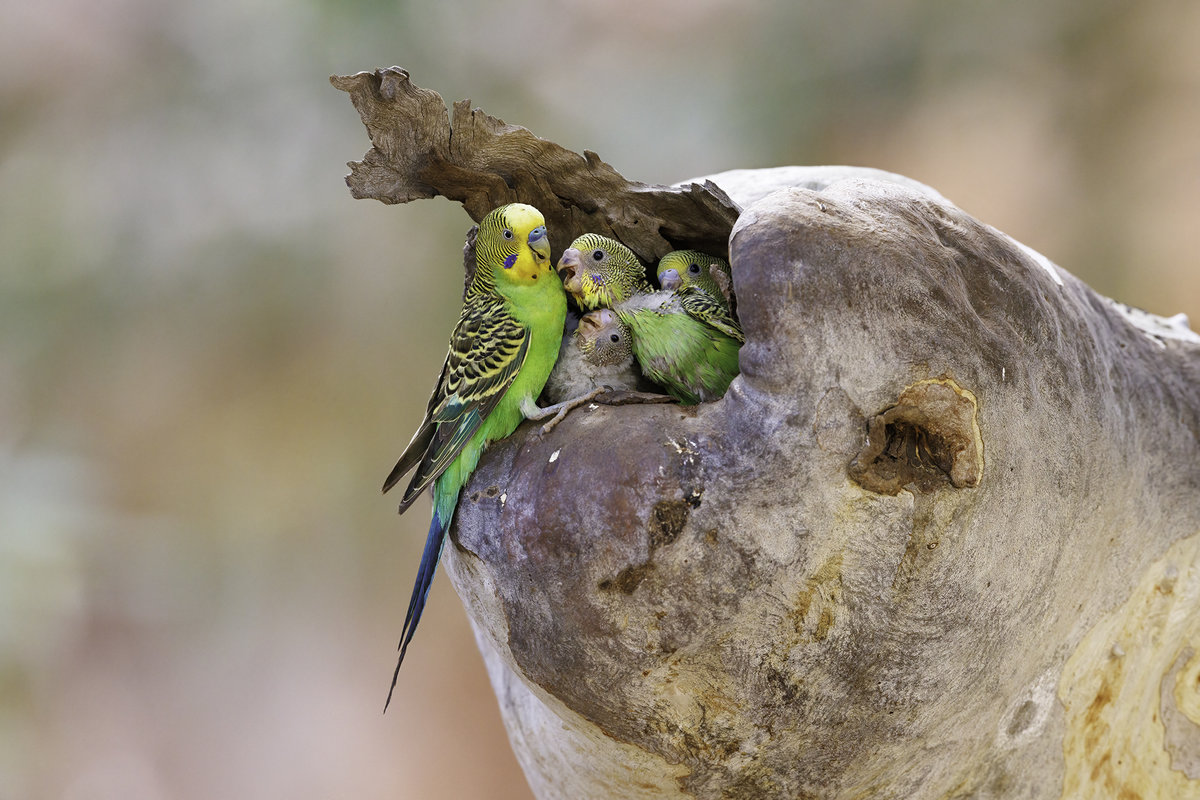
A social butterfly inside a tiny body
Budgies are incredibly social animals who thrive with friendship. In nature, budgies reside in large groups of budgies who are constantly chirping, interacted and interacting with each other. Although a single budgie might connect with the human who owns it, especially if given plenty of attention and affection, they should always have a feathered companion. If you aren’t able to manage two birds, you should plan to spend a lot of time interacting with your budgie on its own to prevent loneliness.
Chatterboxes that have a Flair for mimicry
A pet budgie’s ability to mimic sounds is among of its most adorable traits. Budgies are able to master phrases and words through patience and training. This adds an amazing aspect of entertainment to the chirps, whistles and squeaks produced. It is possible that their vocabulary could vary widely. Some budgies might turn into true chatterboxes while others are content with basic whistles. Their playful voices will put happiness to your face, regardless of how good they can talk.
Rainbow on Wings
Budgies come in a diverse assortment of colors. They are as basic as light blue, yellow, or green tones as well as more vibrant shades of white, violet, and green. Breeders over the years have created many mutations. You’re sure to find a bird that fits your character. These colors are not only for aesthetic reasons. They can also indicate the gender and age of a bird. This is why they are a fun conversation starter at pet stores.
Living Large in a Small Space
Although budgies are small, they still require ample space to fly, climb and explore. The ideal size for a cage should be at a minimum 20 inches in length and 12 inches deep and 18 inches tall. However, bigger is always better! Set up perches with varying dimensions and heights to keep your budgie engaged and move their toys regularly to avoid boredom. Natural sunlight is beneficial, but make sure that the cage is not placed in the sun for long periods.
A Budgie Approved Diet
A balanced diet for budgies comprises mainly of a high-quality pelleted food formulated for smaller parrots. They’ll get the nutrients they need to grow. Supplement their pellet diet with fresh fruits and veggies like chopped vegetables, leafy greens and apples (be certain to take out the seeds). A cuttlebone is essential for keeping their beaks trimmed and providing essential minerals. Make sure they are drinking fresh, clean water.
Establishing a connection with your Feathered friend
To master your bird, you need patience and a soft touch. Start by slowly approaching the cage while talking gently to your pet. Sprinkle treats such as millet spray in the cage bars to build trust. Once your pet feels at ease with your presence, you may try to get inside the cage and let them rest on your finger. Be persistent, but not insistent. The process can take a couple of weeks or days.
A Lifetime Dedication
With proper care Budgies can last for between 10 and 12 years. Before welcoming one into your house, consider your lifestyle and commitment to the long-term. Do you have the capacity to provide daily interaction with your pet, a stimulating and enjoyable environment and an organized home? Budgies are a great pet that can enrich your daily life. It can bring joy with its chirps and fun behavior. Click here for Budgie Bird
The Budgerigar Council of South Australia is a proponent of responsible pet ownership. If you have queries or concerns about caring for your beloved pet do not hesitate to speak with an expert veterinarian who can provide advice.